Your cart is empty
Soft Turkish cotton towels and robes are waiting for you.
Shop Best SellersBrowse all collections

The right bathrobe fabric depends mainly on how you’ll use it: terry cloth is the most absorbent and best straight out of the shower, waffle pique is lightweight and breathable for warm climates or spa settings, and fleece is the warmest option for cold mornings and lounging. Here’s how the three compare, and how to pick between them.
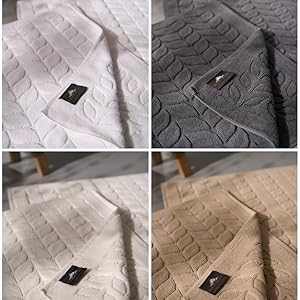
Terry cloth is a looped, plush weave — the same construction used in classic bath towels — which makes it the most absorbent bathrobe fabric by a clear margin. If you want to step out of the shower and put on a robe instead of drying off first, terry is the fabric built for that. Look for an OEKO-TEX Standard 100 certification as a sign the fabric is free of harmful substances.
Explore our Soft Terry Cotton Robe collection.
Waffle pique gets its name from its honeycomb-textured weave, which traps less fabric per square inch than terry. That makes it noticeably lighter and more breathable — a better fit for warm weather, spa environments, or anyone who finds terry robes too heavy or too warm.
Explore our Waffle Pique Spa Robe collection.
Fleece robes prioritize warmth and softness over absorbency. They’re typically brushed for a soft hand-feel and hold in body heat well, which makes them the go-to choice for cold-weather lounging, especially for kids.
Explore our Fleece Kids Robe collection.
| Fabric | Absorbency | Warmth | Weight | Best Season |
|---|---|---|---|---|
| Terry Cloth | High | Medium | Heavy | Year-round, post-shower |
| Waffle Pique | Low–Medium | Low | Light | Spring/Summer, spa |
| Fleece | Low | High | Medium | Fall/Winter |
Terry cloth is the most versatile everyday choice because it works both as a towel substitute after bathing and as general loungewear. If you mainly wear a robe over clothes or sleepwear rather than straight out of the shower, waffle pique is a lighter alternative.
You can, but it won’t absorb water the way terry cloth does. Waffle robes work best after you’ve already towel-dried, or for spa and lounging use where high absorbency isn’t the priority.
Fleece. Its brushed construction traps body heat effectively, which is why it’s the most common choice for cold-weather robes and kids’ robes meant for lounging.
Yes. Browse our full Women’s Robes and Men’s Robes collections, or shop our plush terry towels to match in our Towels category.
Beyond the fabric type, the weight of a robe — measured in grams per square meter (GSM) — has a big effect on how it actually feels to wear. Lightweight robes in the 250-350 GSM range, common in waffle pique, suit warm climates or year-round wear in a heated home, where breathability matters more than warmth. Mid-weight robes around 350-450 GSM offer a balance of coziness and comfort suited to most three-season use. Heavyweight robes above 450 GSM, typically in terry cloth or fleece, are built for cold mornings and colder climates, trading some breathability for maximum warmth and plushness. If you live somewhere with distinct seasons, it’s common to own two robes — a lighter waffle piece for summer and a heavier terry or fleece robe for winter — rather than expecting one robe to be comfortable year-round.
A robe that’s the wrong size undercuts even the best fabric choice. When checking sizing, pay attention to three measurements: body length (should comfortably cover to at least mid-calf for full coverage), sleeve length (long enough that sleeves don’t ride up when reaching), and chest/body width (a robe should close fully across the body with a few inches of overlap, not just barely meet). Most robes run in standard S/M/L/XL sizing similar to outerwear, and if you’re between sizes, sizing up is usually safer for a robe than sizing down, since a slightly looser fit is more comfortable for lounging than a snug one. A properly fitted robe should also have a long enough sash or tie to wrap around and knot securely without feeling short.
Can I mix robe fabrics with my towel fabric? Yes — there’s no requirement to match; many people choose a terry cloth robe for after-shower absorbency paired with jacquard or plain terry towels, based on what each piece is used for rather than matching fabrics.
How do I keep a robe from smelling musty? Make sure the robe is fully dry, including at the belt loops and seams, before folding and storing it — trapped moisture in thicker areas is the most common cause of a musty smell in robes specifically.
Do heavier robes take longer to dry? Yes — a heavyweight terry or fleece robe can take significantly longer to dry fully than a lightweight waffle robe, so budget extra drying time or an extra drying cycle for heavier pieces.
Written and reviewed by the Bagno Milano Editorial Team, drawing on our experience sourcing and selling organic Turkish cotton robes.

Join the list and get 10% off your first order, plus be the first to hear about new arrivals.