Your cart is empty
Soft Turkish cotton towels and robes are waiting for you.
Shop Best SellersBrowse all collections
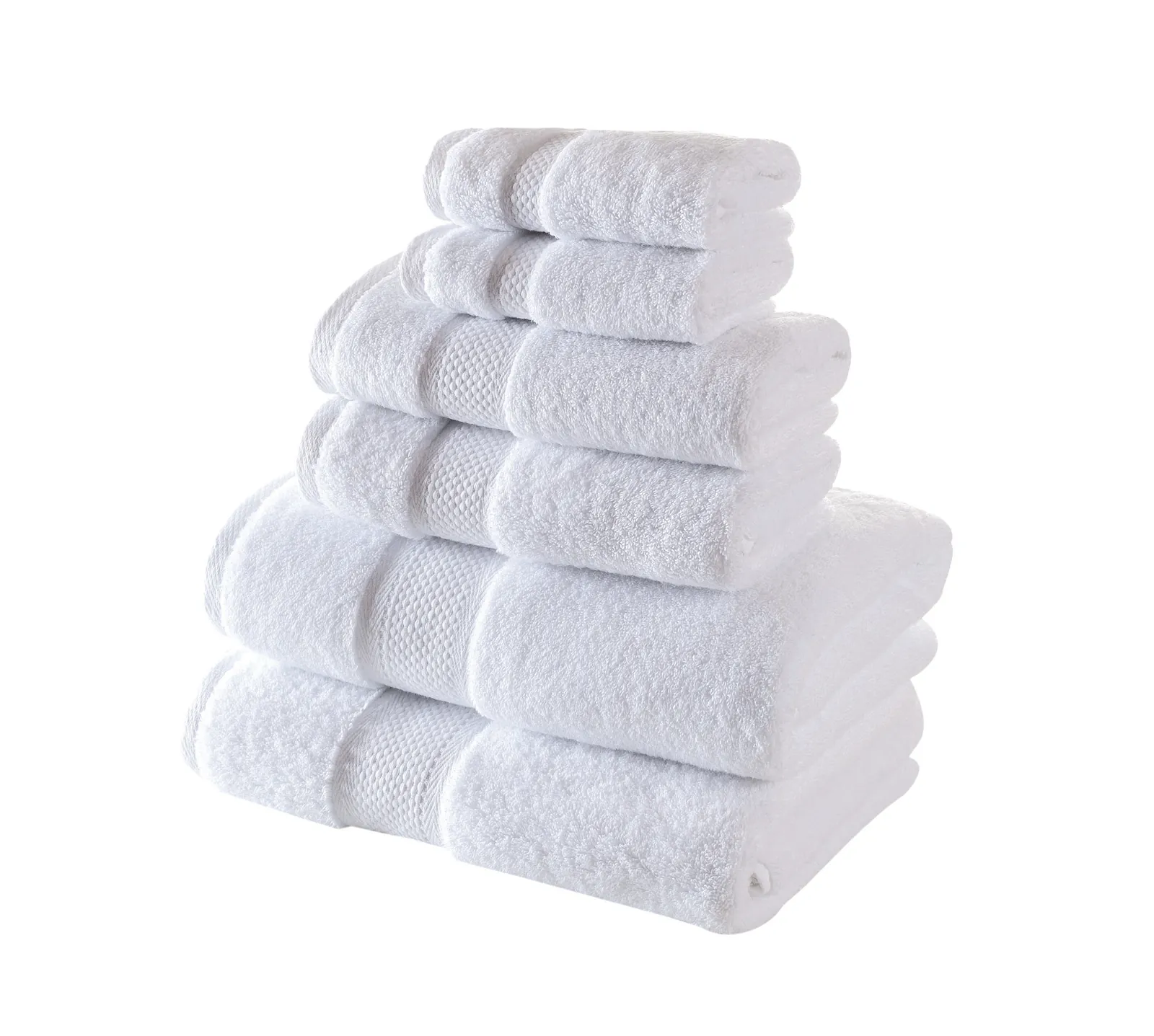
Wash Turkish cotton towels and robes in warm water on a gentle-to-normal cycle. Use a moderate amount of regular detergent, skip fabric softener and dryer sheets, and either line-dry or tumble dry on low. Turkish cotton actually gets softer and more absorbent with the first few washes. That only happens if you avoid the products and habits that break it down. Look for towels carrying an OEKO-TEX Standard 100 certification. That’s your assurance the fabric is free of harmful substances from the very first wash.
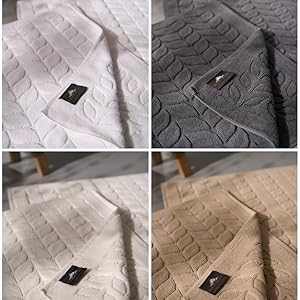
Stiffness is almost always caused by detergent residue or fabric softener buildup, not the cotton itself. Try a wash cycle with no detergent and an extra rinse. Many towels soften back up immediately.
Wash bath towels every 3 uses. Wash robes every 1–2 weeks with normal use, since they touch clean, dry skin and air out between wears more than towels do.
Yes — genuine Turkish cotton is known for softening and becoming more absorbent with repeated washing, as long as you avoid fabric softener and high heat. Browse our Turkish cotton towels and Hotel Collection to see the difference quality cotton makes.
Looking to refresh your robe collection too? Explore our Women’s Robes and Men’s Robes, all crafted from the same premium Turkish cotton.
Robes and towels are both usually 100% cotton, but a robe’s construction adds a few extra care considerations. Belts, ties, and pockets can trap moisture and detergent residue if you don’t fully unfold them before washing. Turn pockets inside out and untie the belt (or remove it if it’s a separate piece) before loading the machine.
Robes are also bulkier than a folded towel, which can throw off a washing machine’s water-to-fabric ratio. Wash one or two robes per load, rather than packing the machine full — that gives water and detergent room to circulate and rinse out completely. Robes also take longer to dry all the way through at the seams and belt loops. It’s worth checking those thicker areas for lingering dampness before folding and storing a robe, since trapped moisture is what leads to a musty smell.
A towel that smells musty even right after washing usually has a buildup of detergent residue, fabric softener film, or bacteria living in the fibers — not a sign the towel is worn out. To reset a towel: run it through a hot wash cycle with no detergent at all, using one cup of white vinegar in the wash instead. This helps strip built-up residue. Follow with a second wash using half the normal amount of detergent and no fabric softener.
Dry towels promptly after washing, rather than leaving a damp load sitting in the machine. This is the single biggest factor in preventing the mildew smell from developing in the first place.
A few mistakes show up repeatedly regardless of towel type. Using too much detergent leaves a residue that reduces absorbency and can trap odor-causing bacteria. Using fabric softener on cotton towels coats the fibers — it’s one of the most common causes of towels that “won’t absorb water anymore.” Washing new dark-colored towels with light-colored ones, before the dye has fully set, is another common mistake (wash dark colors separately for the first two or three washes). Over-drying on the highest heat setting speeds up fiber breakdown over time. For jacquard or patterned towels specifically, avoid chlorine bleach entirely, since it can lighten or damage the dyed threads that form the woven pattern.
Well-made, long-staple cotton towels and robes can last several years with proper care. A few signs indicate it’s time to replace one: the fabric feels thin or see-through in spots, it no longer absorbs water well even after a fresh wash, the loops are visibly matted down and won’t fluff back up, or there’s a persistent odor that survives the vinegar-reset method above. As a general guideline, people often replace everyday bath towels every two to three years with regular use, while less-frequently used robes can last considerably longer.
Written and reviewed by the Bagno Milano Editorial Team, drawing on our experience sourcing and selling organic Turkish cotton towels and robes.

Join the list and get 10% off your first order, plus be the first to hear about new arrivals.