Your cart is empty
Soft Turkish cotton towels and robes are waiting for you.
Shop Best SellersBrowse all collections
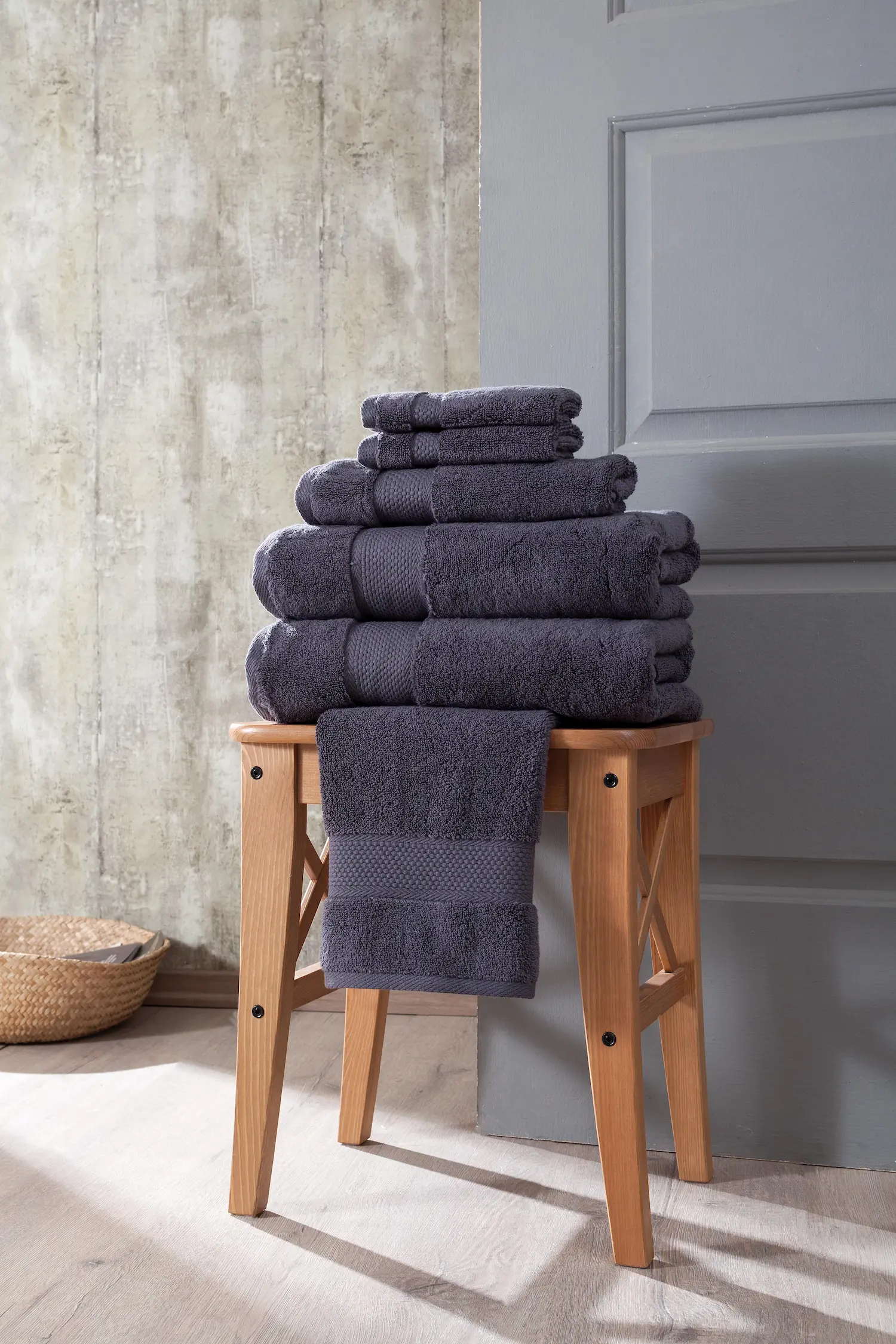
Cotton towels are one of the most popular towel types in households and hotels. People love them for their softness, absorbency, and versatility. In this article, we’ll explore their benefits and show you how to pick the right one.
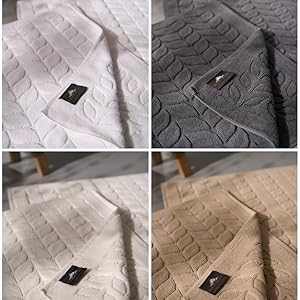
A 100% cotton bath towel skips harsh chemicals. It comes from a natural fiber, which gives it higher absorbency than synthetic alternatives. Cotton also breathes well and feels gentle on the skin, without irritating or itching. Manufacturers can dye it in countless hues, so a wide range of colors and patterns makes it a versatile choice for any bathroom. Look for OEKO-TEX Standard 100 certification if you want independent verification that a towel is free of harmful substances.
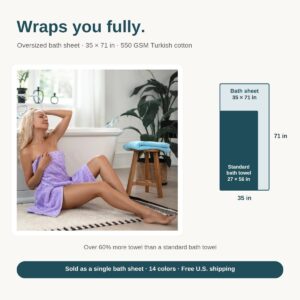
Size: Pick one big enough to wrap around your body and dry off thoroughly. Bath towels, hand towels, and washcloths are the most common sizes.
Absorbency: A higher GSM (grams per square meter) usually means better water absorption. Check that spec before buying.
Softness: Longer fiber length and higher-quality cotton typically feel softer against the skin.
Durability: A tight weave and reinforced edges help a towel withstand frequent washing and daily use without fraying.
Style: With so many colors and patterns available, it’s easy to find one that matches your personal taste and bathroom décor.
In short, cotton towels are an essential part of every bathroom. They deliver comfort, absorbency, and versatility. Choose one that’s soft, absorbent, durable, and stylish, whether you prefer bath towels, hand towels, or washcloths.
Explore Bagno Milano’s 100% cotton towel collection to find the perfect blend of softness, absorbency, and style for your home.
Not all cotton towels use the same cotton, and the type matters for quality. Upland cotton is the most widely grown cotton in the world. It forms the base of most affordable, mass-market towels. This shorter-staple fiber produces a perfectly functional towel, but one that’s less soft and less durable.
Long-staple cottons, including Turkish, Egyptian, and Pima cotton, use longer individual fibers. These spin into finer, stronger yarn, which produces towels that are softer, more absorbent, and more resistant to pilling over time. Combed cotton takes this further: this processing step removes shorter fibers and impurities before spinning, improving smoothness and strength. A “combed, long-staple cotton” label is generally a strong signal of a higher-quality towel.
A cotton towel’s lifespan depends heavily on laundry habits, not just initial quality. A few practices make the biggest difference. Wash in warm rather than hot water — excessive heat breaks down cotton fibers faster over repeated cycles. Use a moderate amount of detergent rather than a full cap, since detergent residue buildup is a leading cause of towels that feel stiff or smell musty. Skip fabric softener, which coats cotton fibers and reduces absorbency. Avoid overloading the washing machine, since this prevents towels from rinsing clean.
On the drying side, tumble dry on low or medium heat, or line dry, rather than using high heat. Remove towels promptly rather than leaving them to sit. Both habits help preserve the fiber structure for longer.
What’s the difference between cotton and cotton-blend towels? A cotton-blend towel mixes cotton with synthetic fibers like polyester. This can improve quick-drying and reduce cost, but it typically feels less soft and less absorbent than 100% cotton. That’s why most towels marketed as “luxury” or “premium” are 100% cotton.
Is more expensive cotton always better? Generally, long-staple cottons (Turkish, Egyptian, Pima) do outperform standard upland cotton in softness and durability, which justifies some price premium. But within long-staple cotton, price differences often reflect brand and finishing rather than a meaningful jump in fiber quality.
How can I tell if a towel is genuinely 100% cotton? Check the fiber content on the label or product page — by law, this must accurately state the fiber composition. As a quick sanity check in person: 100% cotton towels tend to feel more matte and absorbent, while synthetic blends often feel slightly slicker or shinier.
Cotton towels are often labeled with a GSM (grams per square meter) number. This measures fabric density and gives a useful, if imperfect, shorthand for quality. Lighter towels in the 300-400 GSM range dry quickly and pack well for gym or travel use, but they feel thinner and less plush. Mid-weight towels around 400-600 GSM balance absorbency with reasonable drying time, making them a practical everyday choice for most households. Heavier towels above 600 GSM feel the most luxurious and absorb the most water, but they take longer to dry and are bulkier to store and launder.
Rather than chasing the highest GSM number available, match the weight to how you’ll actually use the towel. A hotel-style 700 GSM towel, for example, isn’t necessarily the right choice for a humid bathroom with poor ventilation.
Not sure which weight to choose? Our guide to the best GSM for bath towels breaks it down by use.
Cotton farming has a real environmental footprint, and shoppers increasingly want to know where their towels come from before they buy. Organic cotton grows without synthetic pesticides or fertilizers, which reduces chemical runoff and is typically less taxing on the soil over successive growing seasons than conventionally farmed cotton. Certifications such as GOTS (Global Organic Textile Standard) verify not just the raw fiber but the entire production chain, including dyeing and finishing. That makes a GOTS label a stronger guarantee than an organic claim on the fiber alone.
Water usage is another factor worth considering, since cotton is a relatively thirsty crop. Towels made from cotton grown in regions with established, well-managed irrigation tend to have a smaller water footprint than those grown in water-stressed areas. Buying fewer, higher-quality cotton towels that last several years is itself a sustainability choice: it reduces the total volume of textile production and waste compared to replacing thin, fast-wearing towels every year.
Written and reviewed by the Bagno Milano Editorial Team, drawing on our experience sourcing and selling organic Turkish cotton towels.

Join the list and get 10% off your first order, plus be the first to hear about new arrivals.