Your cart is empty
Soft Turkish cotton towels and robes are waiting for you.
Shop Best SellersBrowse all collections
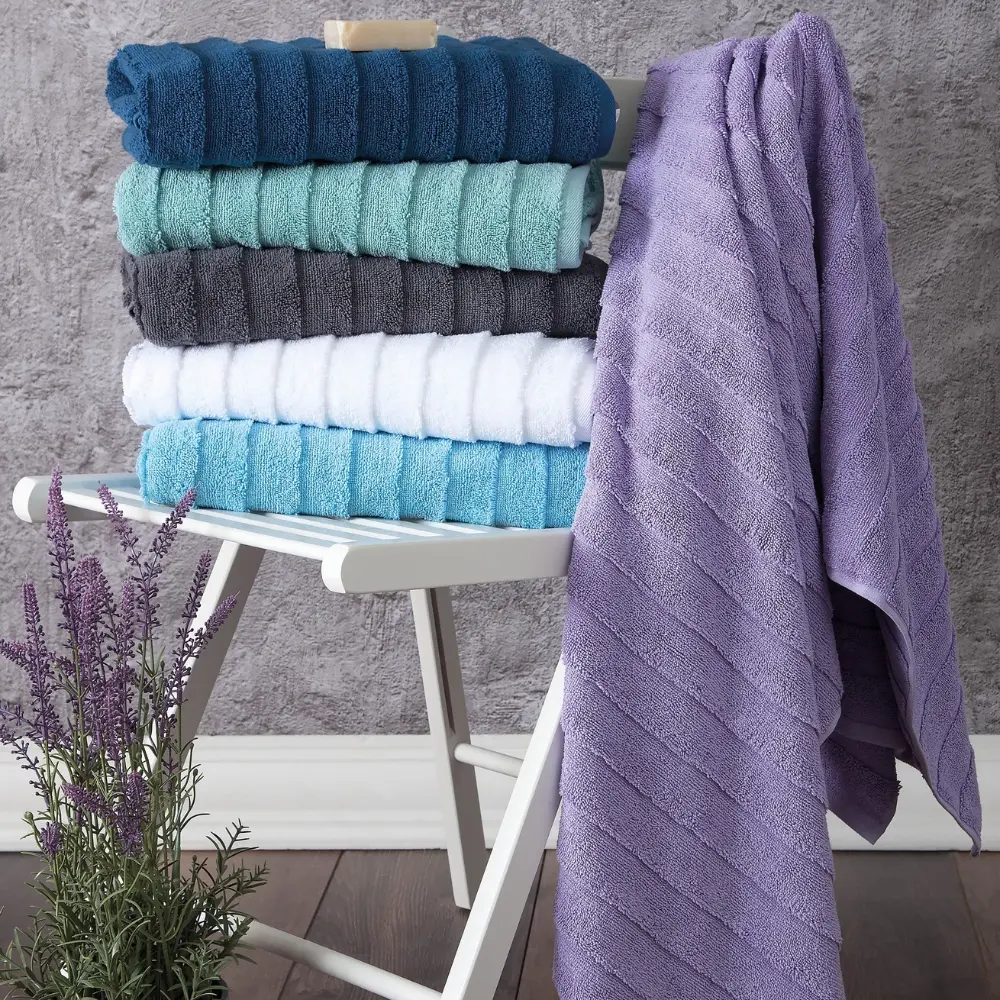
Turkish cotton grows in the Aegean region of Turkiye and ranks among the world’s finest fibers. Its long, silky strands create a luxurious feel. That’s why it’s a favorite for towels, bedsheets, and bathrobes. Below, we break down its unique properties and why it tops the list for luxury home textiles.
When choosing Turkish cotton products, look for high-quality items woven from 100% Turkish cotton.
In conclusion, Turkish cotton stands out for its long, silky fibers, absorbency, durability, and versatility. Its luxurious feel and eco-friendly production make it a top pick for luxury home textiles. It’s also great for a spa-like experience at home.
Whether you want towels, bedsheets, or bathrobes, Turkish cotton delivers a luxurious, rejuvenating experience every time.
Experience it for yourself with Bagno Milano’s Turkish cotton towel collection, made for that same luxurious, spa-like feel at home.
Shoppers researching premium cotton textiles often see Turkish, Egyptian, and Pima cotton mentioned side by side. The differences come down to fiber length and growing conditions. Growers cultivate Egyptian cotton along the Nile, and it’s prized for extremely long staple fibers. Brands often market it as the benchmark for luxury sheeting. Pima cotton, grown mainly in the American Southwest and Peru, is a close relative with similarly long, extra-fine fibers. Growers raise Turkish cotton in the Aegean and southeastern Anatolia regions, and it sits in the same premium tier. Its fibers are long and fine enough to spin into soft, strong yarn, and the Aegean climate and irrigation practices suit cotton cultivation well. In practice, high-quality Turkish, Egyptian, and Pima cotton textiles can all perform similarly well. The more reliable signal of quality is the certification and finishing of the finished product, not the country of origin alone.
For more on why Turkish cotton makes such good towels, see What Makes Turkish Cotton Towels So Special?
Because “Turkish cotton” is sometimes used loosely in marketing, it helps to know what to check before buying:
Turkish cotton rewards simple, consistent care. Wash in warm or cool water with a mild detergent. Avoid fabric softener, since it coats the fibers and reduces absorbency over time. Tumble dry on low, or line dry. Expect the fibers to bloom and soften over the first several washes, rather than straight out of the packaging. Avoid chlorine bleach, which weakens cotton fibers and shortens the lifespan of towels, robes, and bedding alike.
Is Turkish cotton the same as Egyptian cotton? No — growers raise them in different regions. But both are long-staple cottons known for softness and durability, and brands use both in premium towels and bedding.
Why does Turkish cotton get softer over time? Washing relaxes and separates the individual fibers, which is often described as the cotton “blooming.” This is normal and is one reason manufacturers recommend a few wash cycles before judging a towel’s final feel.
Is Turkish cotton good for sensitive skin? The fibers are long and fine, so Turkish cotton textiles tend to have fewer short fibers poking out of the weave. That can make them gentler against sensitive skin compared to shorter-staple cotton.
Written and reviewed by the Bagno Milano Editorial Team, drawing on our experience sourcing and selling organic Turkish cotton towels, robes, and home textiles.
Cotton is a water- and input-intensive crop. That’s why sustainability now plays a bigger part in how brands market and certify Turkish cotton. Turkiye has invested heavily in modern irrigation and integrated pest management in its major cotton-growing regions. This helps reduce water waste and chemical runoff compared to older farming methods. For shoppers who want an added layer of assurance, growers raise and process organic Turkish cotton under the GOTS standard. Independent auditors check every stage — farming, ginning, spinning, weaving, and finishing — to confirm the cotton meets organic and environmental criteria, rather than relying on a single self-reported claim. Choosing GOTS-certified organic Turkish cotton, or OEKO-TEX Standard 100 certified textiles, gives buyers a documented, third-party-verified way to compare sustainability claims across brands. That beats taking marketing language at face value.


Join the list and get 10% off your first order, plus be the first to hear about new arrivals.