
Turkish Towels: The Complete Guide
Turkish towels
Turkish towels, also known as pestemal, are a traditional towel that Turkey has used for centuries. Natural Turkish cotton gives them a lightweight, absorbent, quick-drying feel. Their unique texture, softness, and versatility make them a popular pick. Beachgoers, travelers, and anyone who wants a stylish, practical towel reach for them.
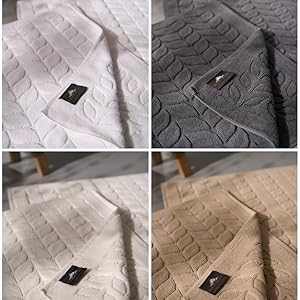
The History and Makeup of Turkish Towels
Origins: Turkish towels trace back to the Ottoman Empire. Bathers originally used them in Turkish baths, or hammams, for hygiene and comfort. The hammams played a big role in Ottoman culture, serving as a place for both physical cleansing and socializing.
Material: Traditional towels use a terry cloth material, but these towels typically use a flat-woven fabric instead. That thin, lightweight weave makes them easy to pack and carry.
Why Choose One
Benefits: Beyond looking stylish and traditional, these towels are practical and eco-friendly too. Their lightweight, compact design makes them easy to pack and carry, so beachgoers and travelers love them.
They also dry fast, which makes them perfect after a shower or swim. On top of that, natural, biodegradable materials go into every one. That gives eco-conscious shoppers looking to shrink their carbon footprint a solid option. Look for a genuine OEKO-TEX Standard 100 certification as proof the fabric skips harmful substances.
Versatility: One of the best things about these towels is how many ways you can use them. Wrap up in one as a bath towel, beach towel, shawl, scarf, or even a blanket. A wide range of colors and patterns adds a stylish touch to any bathroom or beach bag. Prefer a loom-woven pattern that will not fade? See our Jacquard Towels guide.
Care: These towels are simple to care for: machine wash, then hang to dry. They grow softer and more absorbent with every wash, making them a long-lasting investment.
In conclusion, this towel style suits anyone looking for something stylish, practical, and eco-friendly. Their unique texture, softness, and quick-drying nature make them a great pick for beachgoers and travelers. They’re also a versatile, stylish addition to any bathroom or beach bag.
Ready to try one for yourself? Shop Bagno Milano’s Turkish towel collection and bring home the softness, absorbency, and style described above.
How Turkish Towels Are Made
Weavers make traditional Turkish towels, or pestemal, on a loom using long-staple Turkish cotton yarn. They use a flat weave rather than the looped pile you see on a standard terry towel. Weavers interlace the warp and weft threads tightly. That’s what gives a genuine Turkish towel its thin, almost fabric-like hand feel straight off the loom. Many mills finish the edges with a hand-tied or machine-stitched fringe. It’s a detail carried over from the original hammam towels used in Ottoman-era bathhouses. The weave is flatter and less dense than terry cloth, so a Turkish towel uses less cotton and less water to produce and to launder. That’s part of why sellers often market them as a more sustainable alternative to a bulky bath towel.
Turkish Towels vs. Traditional Terry Towels
The biggest difference between a Turkish towel and a conventional terry towel comes down to weave and weight. Terry towels use a looped pile that traps more air and water, so they feel plush and absorb quickly. But they also take longer to dry and are bulkier to store or pack. A flat-woven Turkish towel is thinner and lighter. It dries in a fraction of the time and folds down small enough to fit in a bag. It will not feel as plush underfoot as a heavyweight terry robe or bath sheet, though. Neither weave is objectively better; the right choice depends on the use case. For everyday bathroom use where plushness matters most, a terry towel or robe is usually preferred. For travel, the beach, the gym, or hot climates, quick drying matters more than cushioning. A Turkish towel tends to win out there.
How to Choose the Right Turkish Towel
A few practical factors are worth checking before buying:
- Cotton quality: Look for 100% Turkish cotton, ideally combed or long-staple, which resists pilling and softens with wash rather than thinning out.
- Weight and density: A tighter, denser weave will feel more substantial and last longer than a loose, sheer weave. Both are technically “Turkish towels,” but quality varies.
- Certifications: Look for GOTS (Global Organic Textile Standard) certification if organic cotton matters to you. Look for OEKO-TEX Standard 100 certification too, as independent proof the finished fabric was tested for harmful substances.
- Size: Pestemal towels typically range from smaller hammam-style throws up to full bath-sheet dimensions. Match the size to whether you want a beach towel, a bath towel, or a wrap.
Frequently Asked Questions
Are Turkish towels more absorbent than regular towels? A well-made Turkish towel becomes quite absorbent after a few washes, as the cotton fibers relax and bloom. A looped terry towel is generally more absorbent from the first use, though, because of its pile structure.
Do Turkish towels shrink? Like most 100% cotton textiles, a small amount of shrinkage in the first few washes is normal. Washing in cool or warm water and avoiding high-heat drying helps minimize it.
Can I use a Turkish towel as a beach blanket? Yes — their flat weave, quick-drying nature, and compact fold make them a popular choice. People use them for both drying off and lying on at the beach.
Written and reviewed by the Bagno Milano Editorial Team, drawing on our experience sourcing and selling organic Turkish cotton towels, robes, and pestemal.